Inurl Indexframe Shtml Axis Video Server Link __full__ May 2026
Easily manage and swap NVIDIA DLSS versions for optimal gaming performance
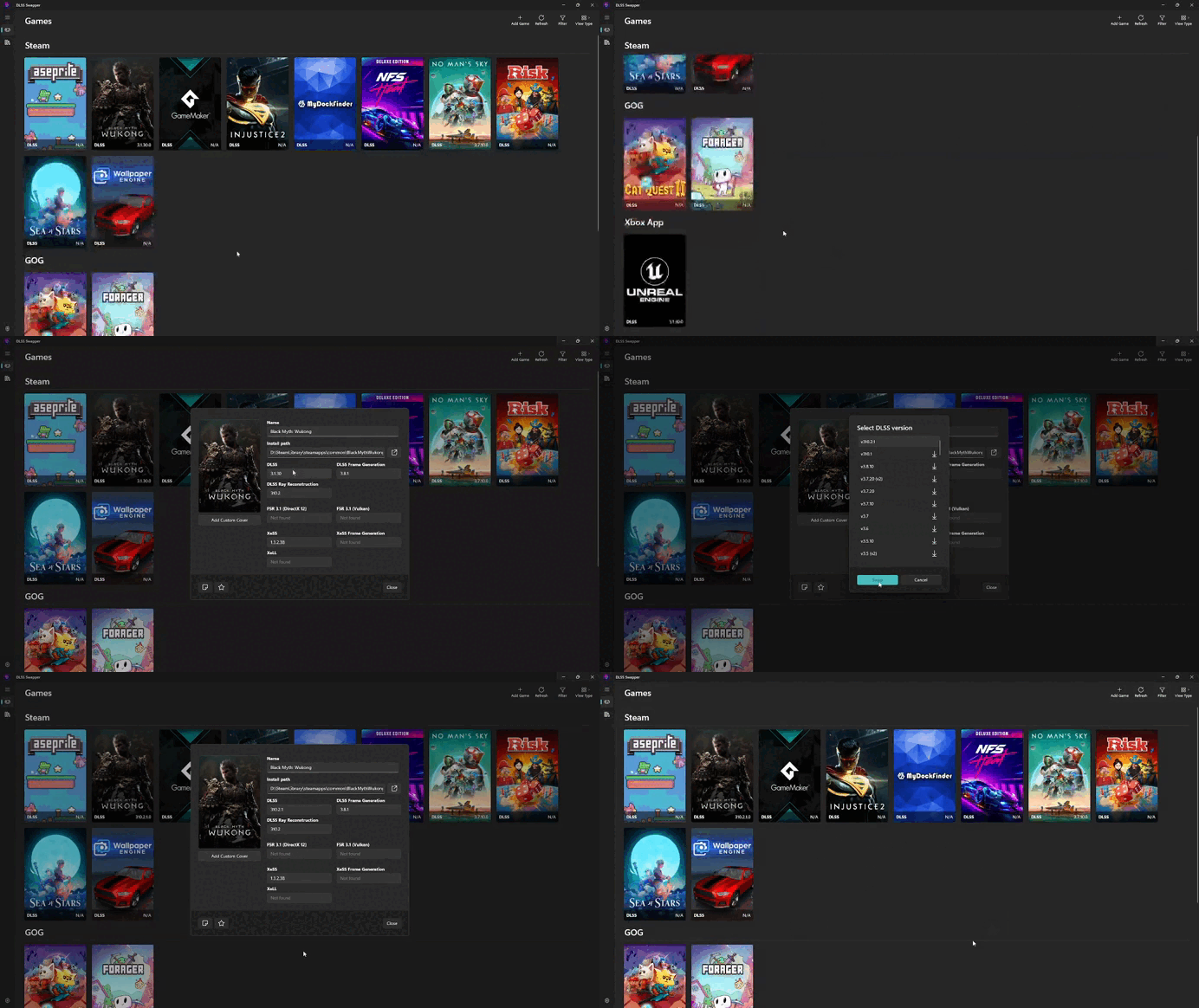
Easily manage and swap NVIDIA DLSS versions for optimal gaming performance
DLSS Swapper is an open-source tool designed to allow users to easily swap between different versions of NVIDIA's Deep Learning Super Sampling (DLSS) technology in games. This tool enables gamers to optimize their gaming experience by upgrading or downgrading the DLSS version used in a game, which can improve performance, image quality, or compatibility.
What sets DLSS Swapper apart is its comprehensive support for multiple upscaling technologies. Beyond NVIDIA DLSS, it also supports AMD FSR 3.1 and Intel XeSS upscaling libraries, making it a versatile tool for managing various upscaling technologies in games.
The string is a well-known "Google Dork"—a specific search query used to find unprotected Axis Communications network cameras and video servers [2, 5]. While these links are often sought out by curious hobbyists, they highlight a critical conversation regarding IoT security, privacy, and the evolution of networked surveillance. What is an Axis Video Server?
Unsecured IoT devices are prime targets for malware like Mirai, which conscripts devices into botnets for DDoS attacks [4]. How to Secure Your Axis Devices inurl indexframe shtml axis video server link
The "indexframe.shtml" query serves as a digital reminder of the importance of IoT hygiene. As we continue to bridge the gap between analog and digital security, the responsibility lies with administrators to ensure their "eyes in the sky" aren't being shared with the entire world. The string is a well-known "Google Dork"—a specific
Finding these links can expose sensitive environments, ranging from parking lots and lobbies to private offices and server rooms. The risks associated with these exposed servers include: Unsecured IoT devices are prime targets for malware
Instead of exposing the device directly to the web via port forwarding, access it through a secure Virtual Private Network.
Google "dorking" involves using advanced search operators (like inurl: , intitle: , or filetype: ) to find information that isn't intended for public viewing but has been indexed by search engines [2]. In this case:
: Tells Google to look for the specific string in the URL.
Go to DLSS-Swapper.Com and download the latest version. Choose between an installer or portable version.
Run the installer for a full installation, or extract the portable version to any folder of your choice.
Launch the application and it will automatically detect your installed DLSS-enabled games.
Select a game, choose your preferred DLSS version, and click to apply the changes.
The string is a well-known "Google Dork"—a specific search query used to find unprotected Axis Communications network cameras and video servers [2, 5]. While these links are often sought out by curious hobbyists, they highlight a critical conversation regarding IoT security, privacy, and the evolution of networked surveillance. What is an Axis Video Server?
Unsecured IoT devices are prime targets for malware like Mirai, which conscripts devices into botnets for DDoS attacks [4]. How to Secure Your Axis Devices
The "indexframe.shtml" query serves as a digital reminder of the importance of IoT hygiene. As we continue to bridge the gap between analog and digital security, the responsibility lies with administrators to ensure their "eyes in the sky" aren't being shared with the entire world.
Finding these links can expose sensitive environments, ranging from parking lots and lobbies to private offices and server rooms. The risks associated with these exposed servers include:
Instead of exposing the device directly to the web via port forwarding, access it through a secure Virtual Private Network.
Google "dorking" involves using advanced search operators (like inurl: , intitle: , or filetype: ) to find information that isn't intended for public viewing but has been indexed by search engines [2]. In this case:
: Tells Google to look for the specific string in the URL.