The MSM8953, commercially known as the , is one of the most iconic chipsets in mobile history. Renowned for its power efficiency and thermal stability, it remains a favorite for developers working on Linux mainline porting and ARM64 driver development.
Always use a cross-compiler like aarch64-linux-gnu-gcc when building drivers for the MSM8953.
A dedicated Cortex-M3 core that handles clock and voltage scaling. The Role of the Device Tree (DTS)
These use highly customized, often messy drivers provided by Qualcomm (CAF). They rely on specific Android-only hooks like ion for memory management.
The MSM8953 relies on the . Drivers for this SoC often communicate with the RPM via a messaging protocol (SMD or GLINK) to request clock speeds or voltages. Without a functional RPM driver, the SoC will often stay in its lowest power state, leading to sluggish performance. 3. Display (DSI/MDP)
The MSM8953 uses the pinctrl-msm driver. If you are developing a driver for a new sensor or button, you must define the pin configuration (bias, drive strength, and function) in the pinctrl section of your ARM64 device tree. 2. Power Management (RPM)
Msm8953 For Arm64 Driver
The MSM8953, commercially known as the , is one of the most iconic chipsets in mobile history. Renowned for its power efficiency and thermal stability, it remains a favorite for developers working on Linux mainline porting and ARM64 driver development.
Always use a cross-compiler like aarch64-linux-gnu-gcc when building drivers for the MSM8953.
A dedicated Cortex-M3 core that handles clock and voltage scaling. The Role of the Device Tree (DTS)
These use highly customized, often messy drivers provided by Qualcomm (CAF). They rely on specific Android-only hooks like ion for memory management.
The MSM8953 relies on the . Drivers for this SoC often communicate with the RPM via a messaging protocol (SMD or GLINK) to request clock speeds or voltages. Without a functional RPM driver, the SoC will often stay in its lowest power state, leading to sluggish performance. 3. Display (DSI/MDP)
The MSM8953 uses the pinctrl-msm driver. If you are developing a driver for a new sensor or button, you must define the pin configuration (bias, drive strength, and function) in the pinctrl section of your ARM64 device tree. 2. Power Management (RPM)
Msm8953 For Arm64 Driver
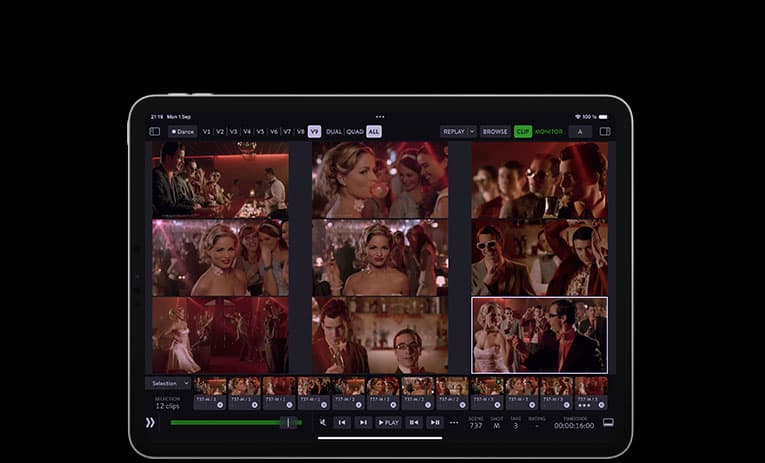
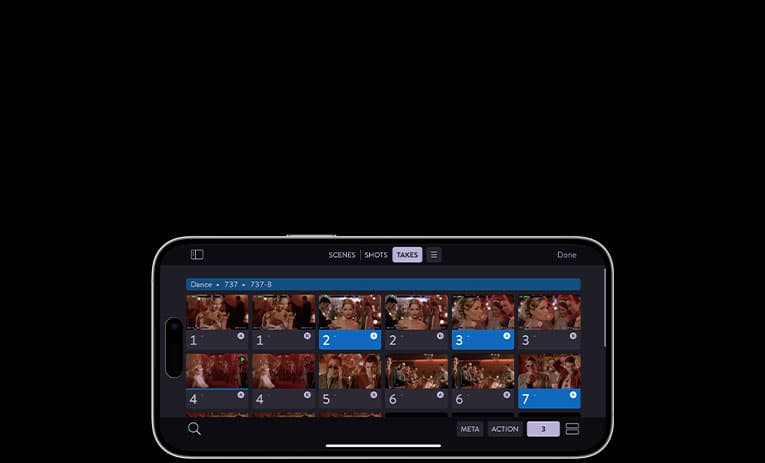
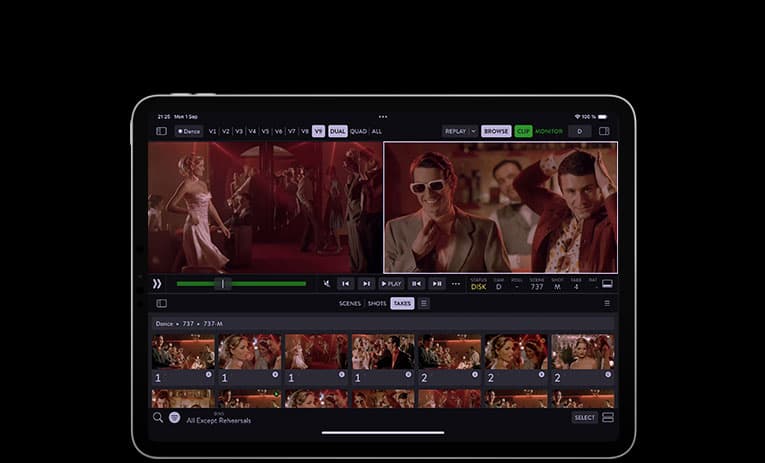
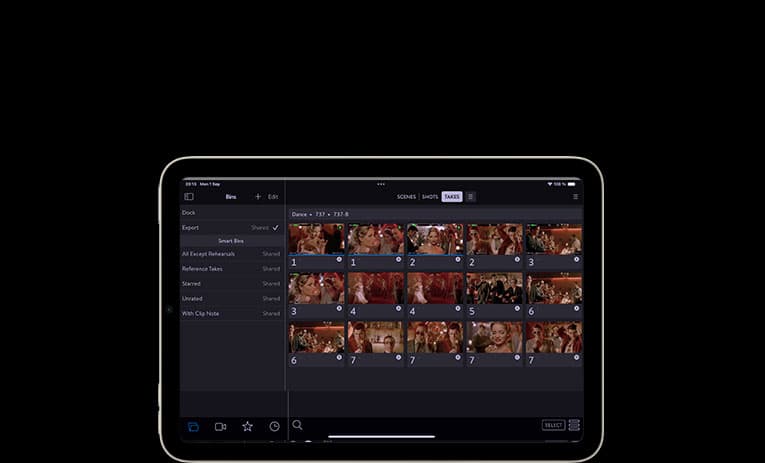
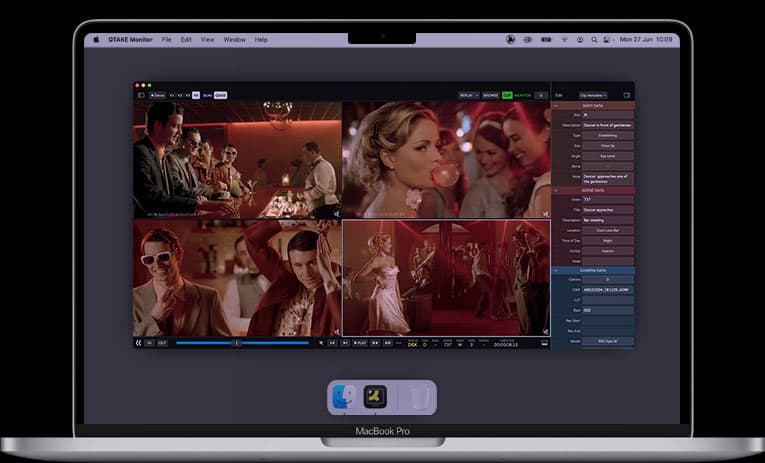
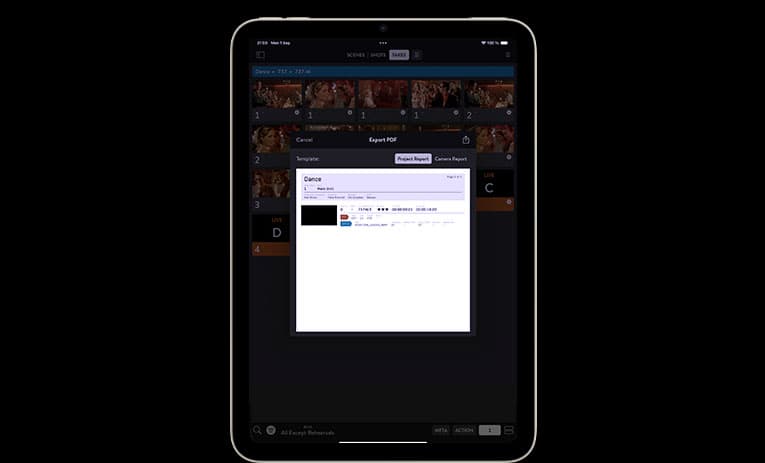
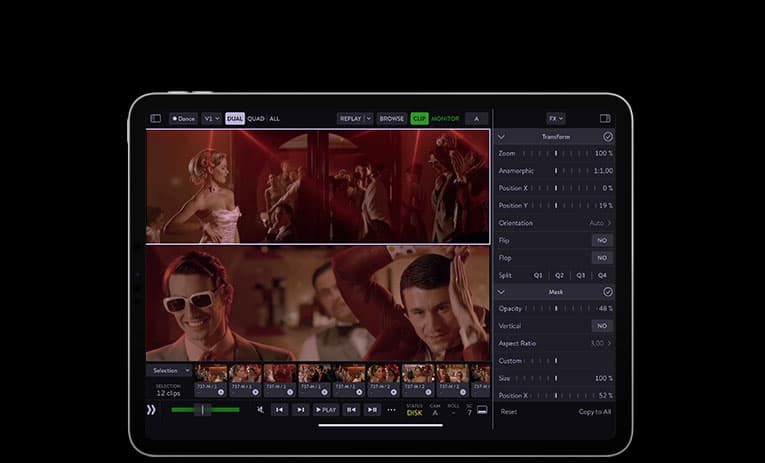
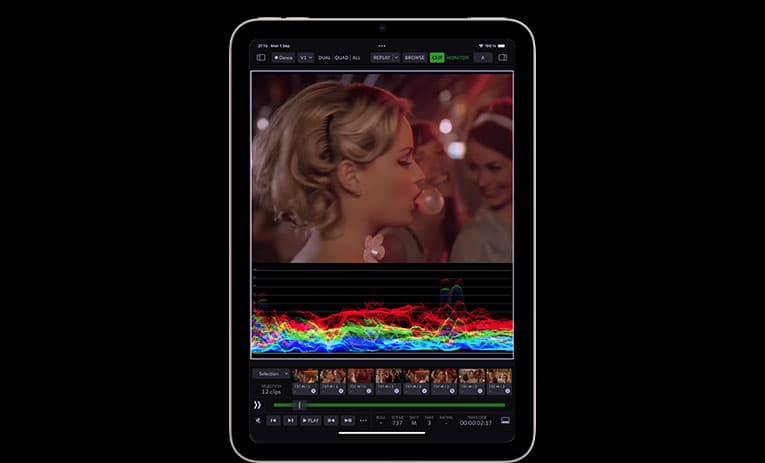
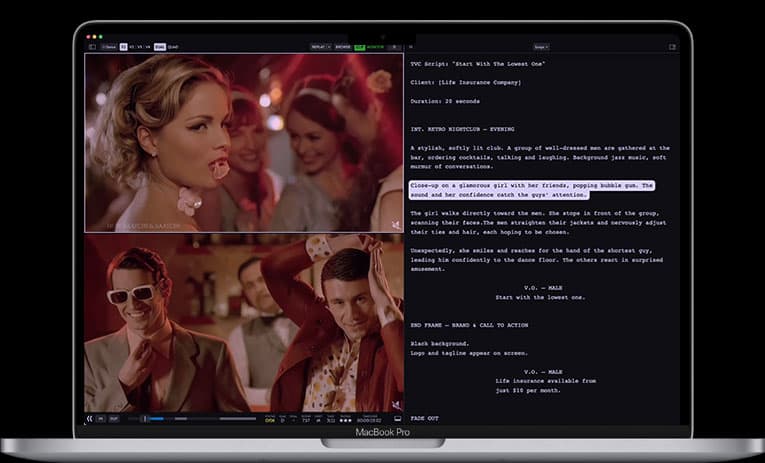
QTAKE Monitor is available for free on the App Store and can be installed on your iPhone, iPad, or Mac.
If you prefer a bigger screen or an immersive experience, it's also available for Apple TV and Apple Vision Pro!