
Zoo Sex Tv Free ((exclusive)) Animal Porn Animal Sex Zoo Porn Dog Porn Url Link Page
No.crs124
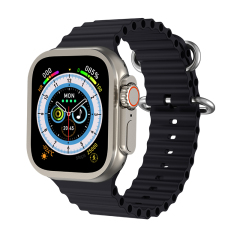
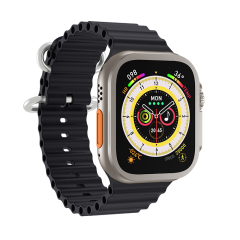
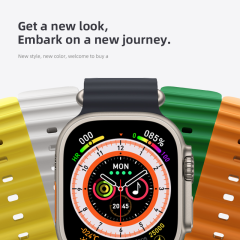
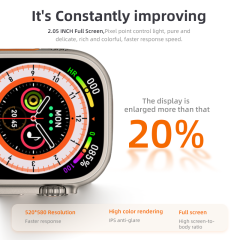
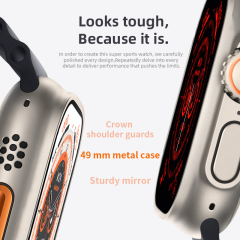
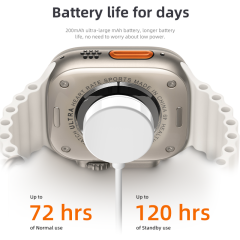
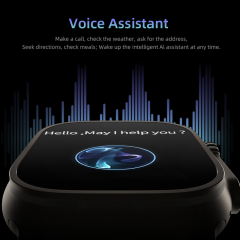
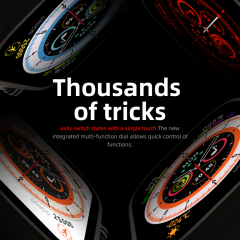
Best selling ZW8 Ultra Max smart watch series 8 ZW8 ultra Max energy watch BT call IP67 waterproof wireless charging HD screen
As our technology improves, Zoo TV will continue to bridge the gap between urban life and the natural world, proving that animal entertainment is one of the most resilient and beloved forms of media on the planet.
Modern zoos utilize high-definition cameras to provide "behind-the-scenes" access. Whether it’s the San Diego Zoo’s polar bear cam or the Monterey Bay Aquarium’s jellyfish feed, these streams turn animals into "always-on" influencers.
Advanced media content now allows users to "walk" through enclosures or see extinct animals via Augmented Reality, blurring the line between physical visits and digital consumption. The Power of the "Animal Influencer"
With the rise of Zoo TV comes a set of ethical responsibilities. The "entertainment" aspect of animal media can sometimes risk anthropomorphizing animals—assigning them human emotions and motivations that may not be accurate.
We could focus more on the for zoos, or perhaps dive deeper into the technical gear used to film wildlife.


As our technology improves, Zoo TV will continue to bridge the gap between urban life and the natural world, proving that animal entertainment is one of the most resilient and beloved forms of media on the planet.
Modern zoos utilize high-definition cameras to provide "behind-the-scenes" access. Whether it’s the San Diego Zoo’s polar bear cam or the Monterey Bay Aquarium’s jellyfish feed, these streams turn animals into "always-on" influencers.
Advanced media content now allows users to "walk" through enclosures or see extinct animals via Augmented Reality, blurring the line between physical visits and digital consumption. The Power of the "Animal Influencer"
With the rise of Zoo TV comes a set of ethical responsibilities. The "entertainment" aspect of animal media can sometimes risk anthropomorphizing animals—assigning them human emotions and motivations that may not be accurate.
We could focus more on the for zoos, or perhaps dive deeper into the technical gear used to film wildlife.